Essential Reading


Latest Updates
Did You Know?

If you ever plan to gift the Viennese a monument affirming their history, think twice.
Despite Jan III Sobieski’s 1683 charge being the only reason the city’s archives aren’t currently written in Ottoman Turkish, his 3-ton bronze monument has been effectively banned from the city after a decade of bureaucratic stalling.
Commissioned in Kraków to mark the 330th anniversary of the battle and designed by Czesław Dźwigaj, the 8-meter-long bronze wedge was intended for Kahlenberg hill—the very site where the King launched his decisive attack. It depicted Sobieski leading a dynamic wave of hussars over broken Ottoman standards.
However, Vienna’s cultural council got "cold feet," ultimately rejecting the gift for being too "archaic" and "nationalistic". It seems that while the Polish King was welcome to charge down the hill in 1683, his bronze likeness isn't allowed to stand still on it in the 21st century.
The city argued that modern monuments should promote "peace and reconciliation" rather than military triumph. They proposed an international competition for a more "sensitive" memorial, much to the frustration of the Polish committee that had already spent years and significant funds on the bronze hussars.
The statue itself has become a "monument on wheels," touring Poland on a trailer like a symbol of the West’s pre-emptive surrender to the fear of being accused of Islamophobia. Meanwhile, Vienna has achieved what 150,000 Ottoman troops couldn't: the total removal of Jan Sobieski from the city’s skyline. Today the pedestal in Vienna remains empty—a fitting tribute to a city that prefers "reconciliation" over acknowledging the man who literally kept their lights on.
Come to think of it, if you ever plan to liberate Vienna from Islamic conquest, don’t bother.
The Federal President of Austria Alexander Van der Bellen foreshadowing the day that all women should wear a head scarf (hijab) out of solidarity with those who do so for religious reasons.
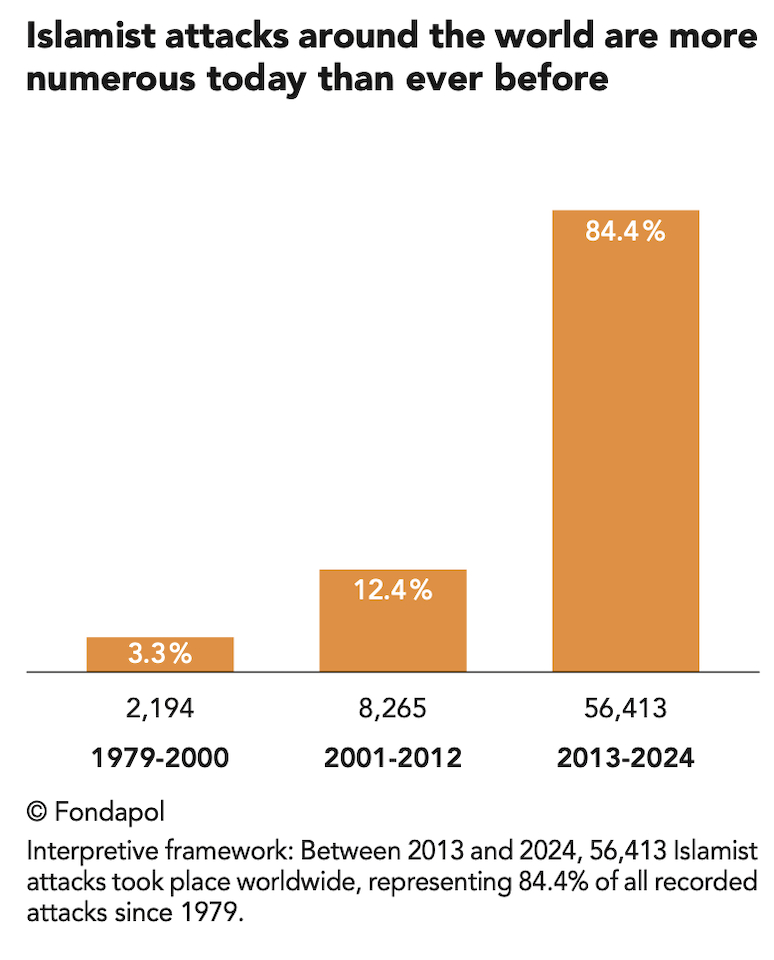
On average, an Islamist attack caused the deaths of 3.7 people.
Firearms were the most used weapons (26,925), followed closely by explosives (25,832), melee weapons such as knives or machetes (2,479) and incendiary weapons (1,162)*.
The Middle East and North Africa, South Asia and Sub-Saharan Africa accounted for 96.7% of the attacks.
Muhammad was reported several times in the Hadiths saying:
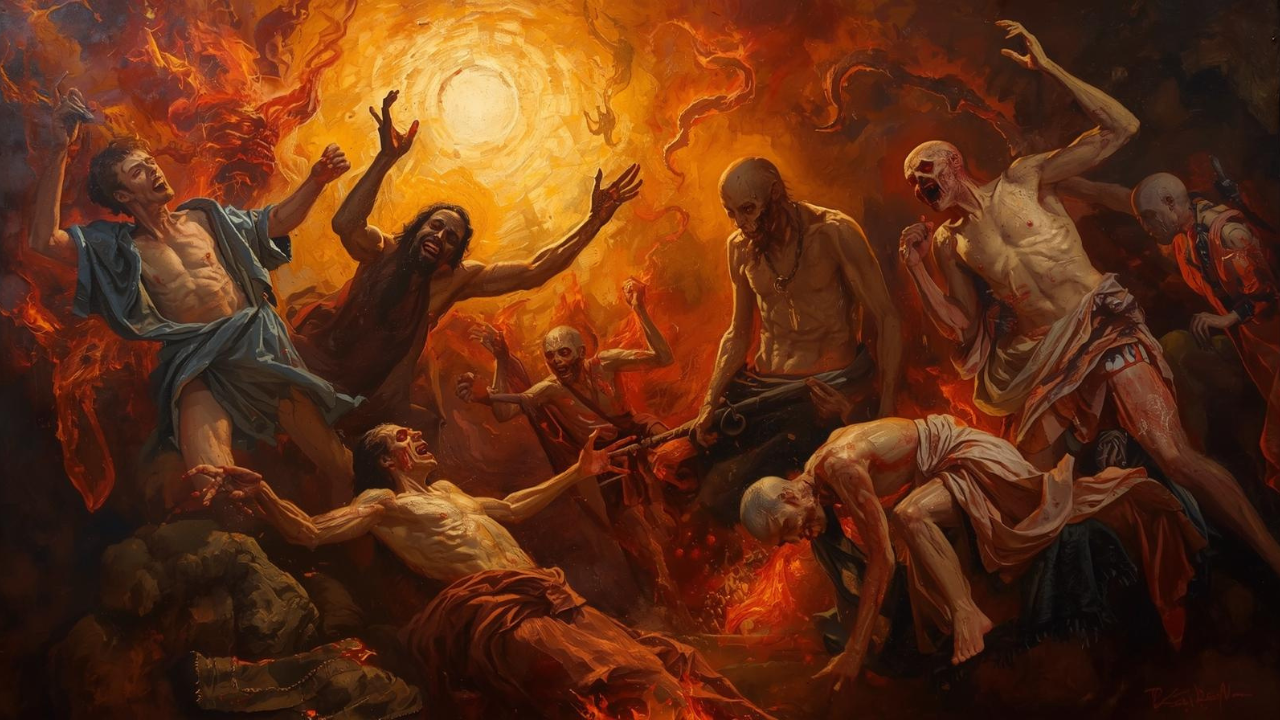
"When it will be the Day of Resurrection Allah would deliver to every Muslim a Jew or a Christian and say: That is your rescue from Hell-Fire."
Sahih Muslim 2767a, Sahih Muslim 2767b, Riyad as-Salihin 432, Mishkat al-Masabih 5552
In one instance, he is additionally said
"There would come people amongst the Muslims on the Day of Resurrection with sins as heavy as a mountain, and Allah would forgive them".
Riyad as-Salihin 432
According to these statements, Muslims' worries about hell can be laid to rest, courtesy of Jews and Christians.